



mud-gas related devices
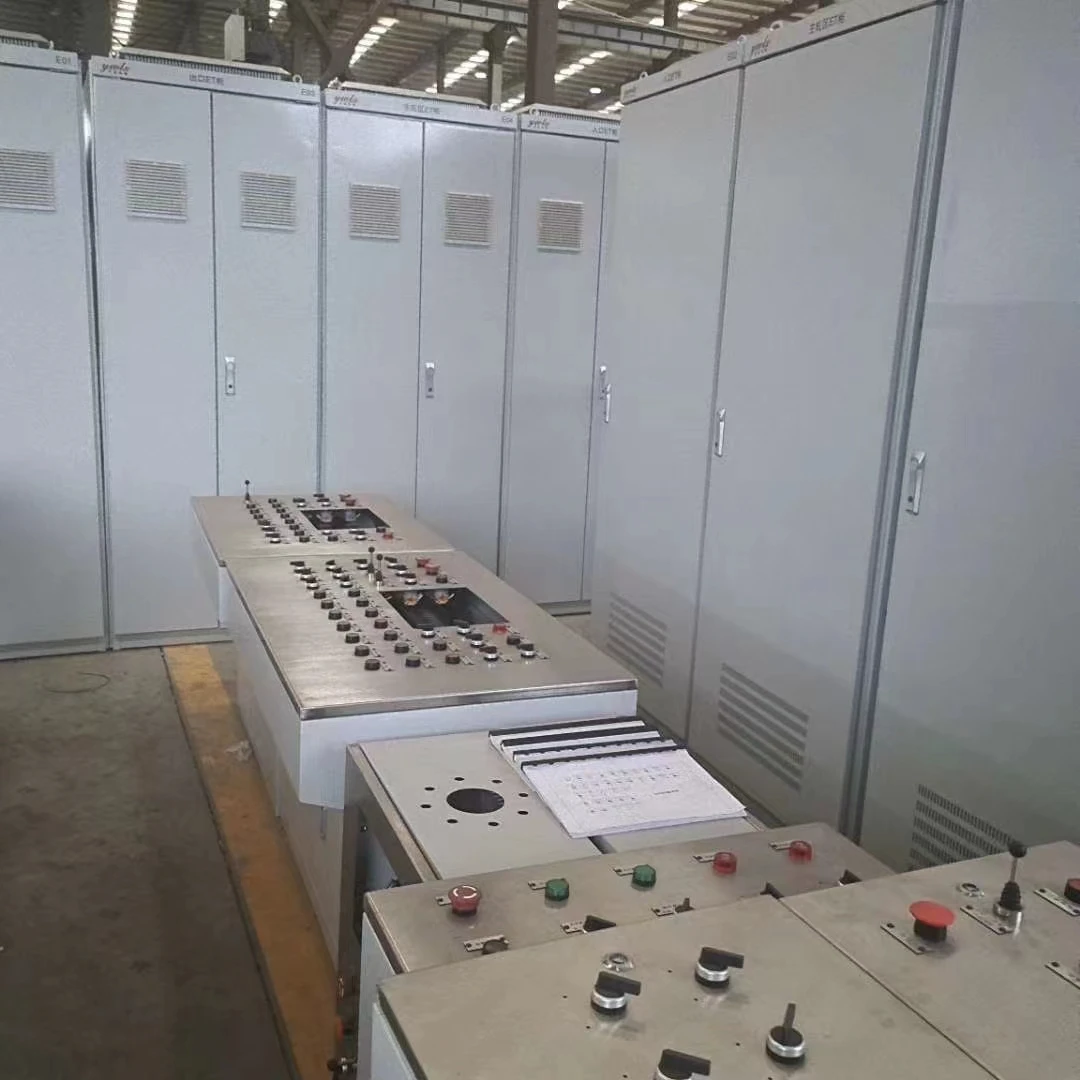
Hydraulic Automatic Gauge Control (AGC) systems are integral to industries where precise and consistent material thickness is essential, such as in the metal rolling, paper, and aluminum manufacturing industries. The primary function of AGC systems is to automatically adjust the gap or pressure between rollers in the production process, ensuring that the material is processed to the exact thickness required. These systems improve production efficiency and product quality while reducing human intervention and material waste. At the heart of the AGC system are several key components that work together seamlessly to achieve this precision. Hydraulic Actuators: The Driving Force Behind Gauge Control Hydraulic actuators are one of the most critical components of an AGC system, responsible for providing the necessary force to adjust the gap between rollers in response to varying material thickness. These actuators use hydraulic pressure to drive mechanical systems that control the position of rollers in real time. By converting hydraulic energy into mechanical motion, hydraulic actuators enable precise control over the material processing gap, ensuring uniform thickness across the entire width of the material. The actuators are often connected to hydraulic pumps, valves, and accumulators to maintain constant pressure and adjust the roller gap as needed. The hydraulic actuators in AGC systems are typically designed for high durability and performance, as they operate under extremely high pressures and need to respond quickly to control signals. With their ability to apply large forces with high precision, hydraulic actuators form the backbone of the AGC system’s ability to maintain consistent material thickness. To achieve high accuracy and efficiency, an AGC system requires continuous monitoring of the material's thickness and the gap between rollers. Sensors play a crucial role in providing real-time feedback to the system, enabling it to adjust the roller gap automatically. Common types of sensors used in AGC systems include thickness sensors, position sensors, and pressure sensors. Thickness sensors measure the material’s thickness as it passes between the rollers, while position sensors track the position of the rollers themselves. Pressure sensors monitor the hydraulic pressure in the actuators to ensure that the correct amount of force is being applied. The data gathered by these sensors is sent to the system's central controller, which uses it to make adjustments to the hydraulic actuators in real time. By constantly feeding information about the material's thickness, roller gap, and hydraulic pressure, the sensors allow the AGC system to adjust and maintain the desired material specifications without manual intervention, ensuring high consistency and quality throughout the production process. Control Software: The Brain Behind the AGC System The control software is often referred to as the brain of the Automatic Gauge Control system , as it processes all the information from the sensors and makes the necessary decisions to control the actuators. Using complex algorithms and data processing techniques, the control software continuously monitors material thickness, roller position, and hydraulic pressure, making precise adjustments to ensure optimal production conditions. Modern AGC systems often incorporate sophisticated feedback control loops, where the control software adjusts the actuator position based on real-time data from the sensors. The system may also include predictive control capabilities, using historical data and material characteristics to anticipate adjustments before they are needed. This enhances overall system responsiveness and stability, reducing the chances of errors and improving the final product quality. In addition to automatic adjustments, the control software also enables operators to manually override the system if needed. This feature provides flexibility, allowing human operators to intervene in case of unexpected conditions or to adjust settings based on specific production requirements. Automatic Pressure Control: Ensuring Stable Force Application In many AGC systems, automatic pressure control is a key function that works in tandem with the other components, ensuring that the rollers exert the correct force during the material processing. Automatic pressure control helps to maintain a stable and consistent pressure in the hydraulic system, which is essential for adjusting the gap between the rollers without causing material distortion. Pressure sensors continuously monitor the hydraulic system’s pressure levels, while the control software adjusts the pressure to match the required gap size. This prevents fluctuations in force application that could lead to inconsistent material thickness or even damage the rollers. The automatic pressure control feature optimizes the force exerted on the material, ensuring that the production process is both efficient and precise. Automatic pressure control also plays a role in energy efficiency. By adjusting the hydraulic pressure only when necessary, the system reduces energy consumption, lowering operational costs and extending the lifespan of hydraulic components. Integration and Communication: Seamless Operation of the AGC System A final but equally important aspect of an AGC system is the integration and communication between all its components. The hydraulic actuators, sensors, control software, and automatic pressure control mechanisms must work together seamlessly to ensure smooth operation. This integration is typically achieved through industrial communication protocols such as Ethernet/IP, Modbus, or Profibus, which allow the various components to exchange data efficiently and in real time. The communication network connects the sensors to the control software, enabling quick decision-making based on accurate, up-to-the-minute data. This enables the system to react to any changes in material thickness, roller position, or hydraulic pressure almost instantly, ensuring that the desired output is achieved consistently. In conclusion, the Automatic Gauge Control (AGC) system relies on a sophisticated network of components to deliver precise and consistent material thickness. The hydraulic actuators provide the force needed for gap adjustment, while sensors offer real-time data on material thickness and system performance. The control software processes this data to make timely adjustments, and automatic pressure control ensures stable operation. Together, these components form a powerful system that boosts production efficiency and product quality, making it indispensable in industries where precision is paramount.

We have successfully executed over 500
projects around the world,
many first-of-their-kind
research projects and products in China, including
We have successfully executed over 500
projects around the world,
many first-of-their-kind
research projects and products in China, including
-
2004
The 1st hydraulic AGC system for hot rolling of ribbon steel
-
2006
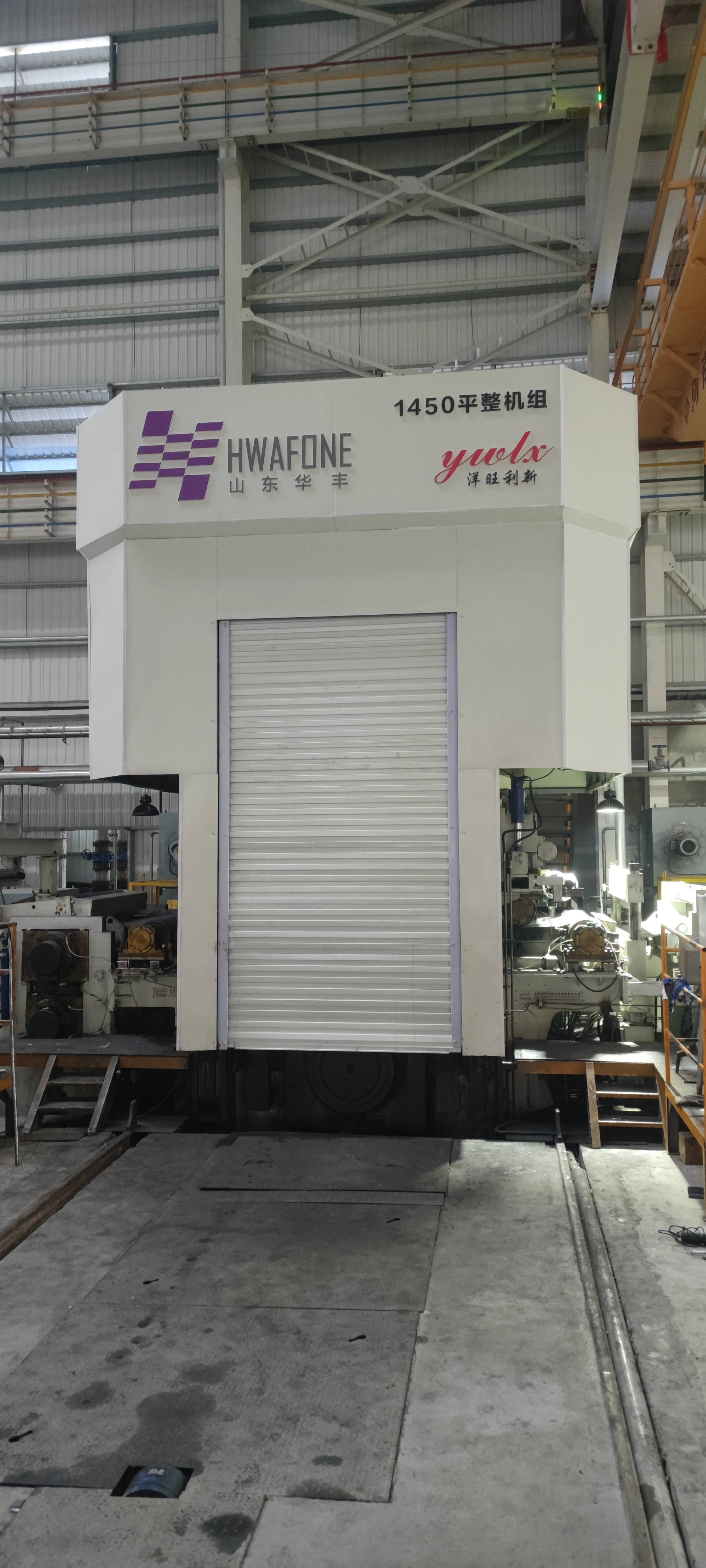
The 1st AFC system used for 1450mm skin pass mill
-
2009
The 1st 5-stand tandem line with 2-stand POR & Uncoiler for 650mm ribbon steel
-
2012
The 1st reversing mill for 1380mm strip
-
2016
The 1st soft-rolling system used in skin pass mill
-
2019
The 1st fully automated medium-width tandem cold rolling mill
-
2021
The 1st 5000KN Twin-stand double skin pass mill
-
2022
The 1st coupled pickling line & tandem cold mill with two modes - big roller & small roller
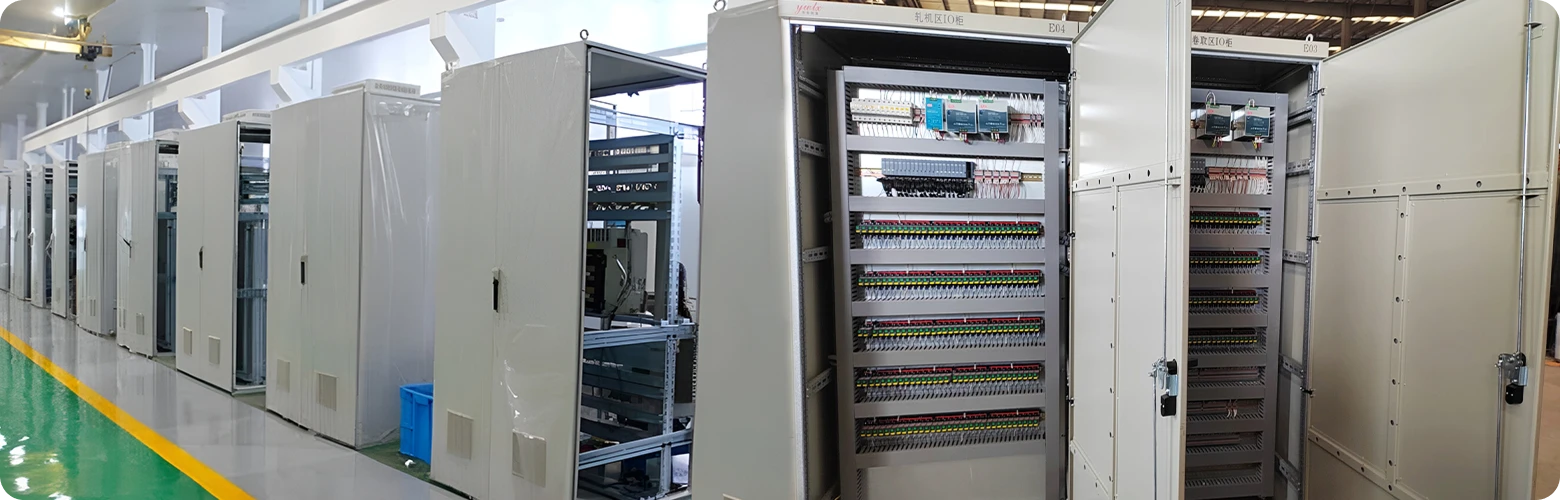
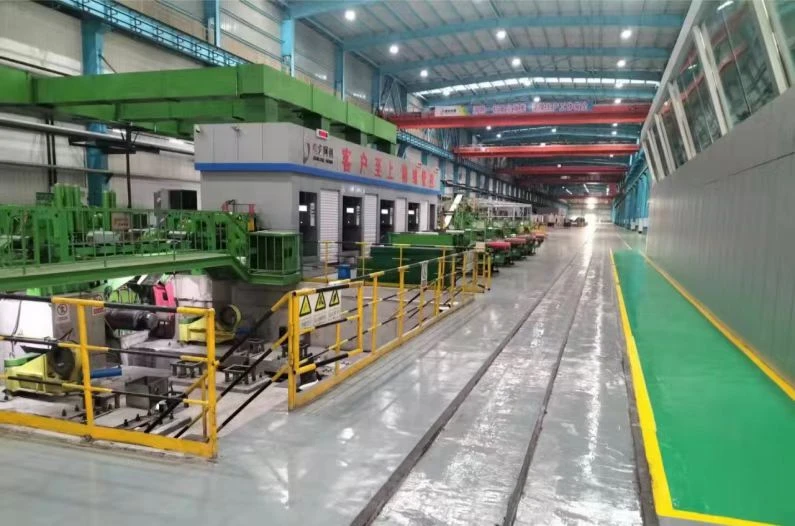
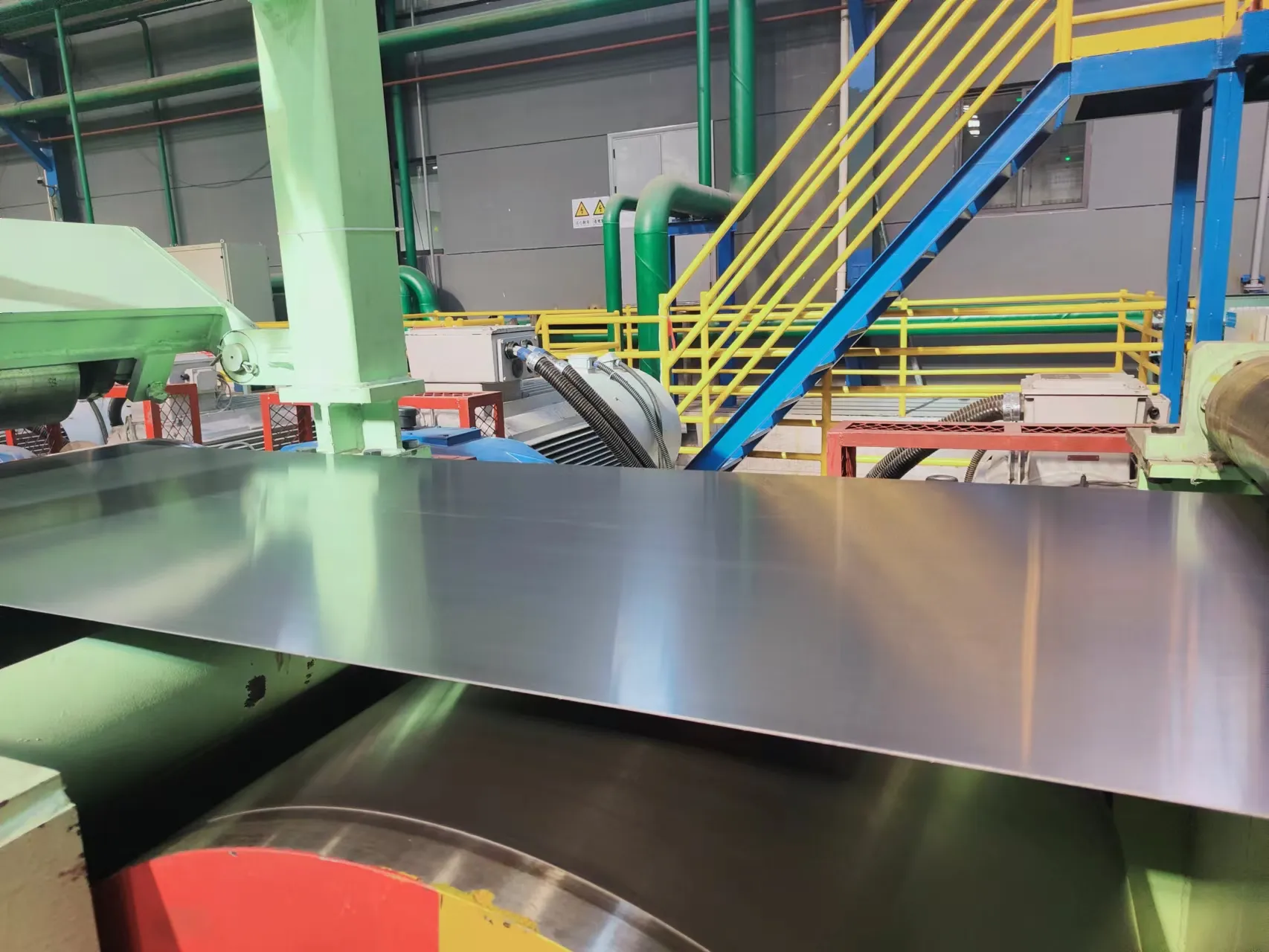
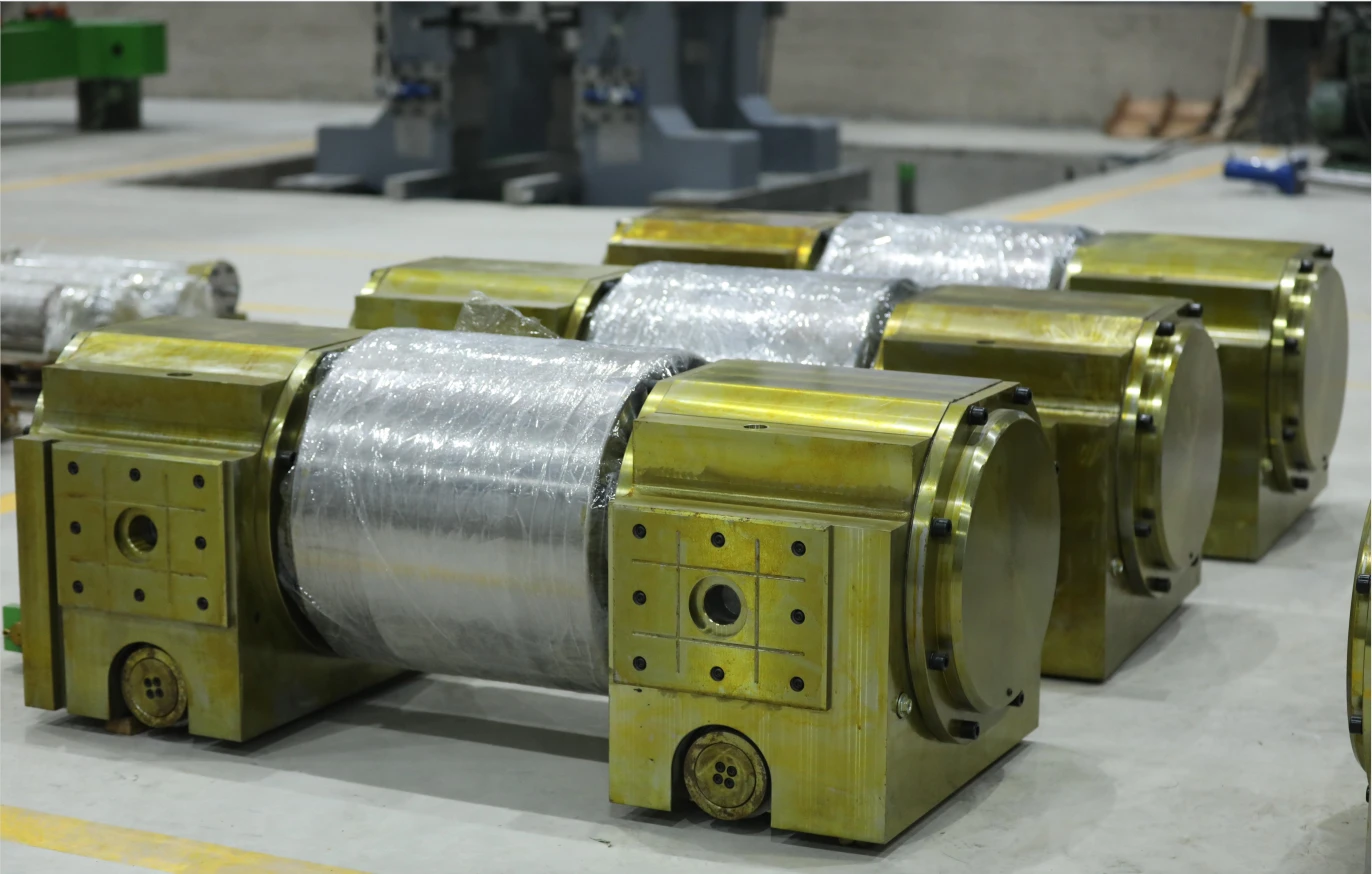
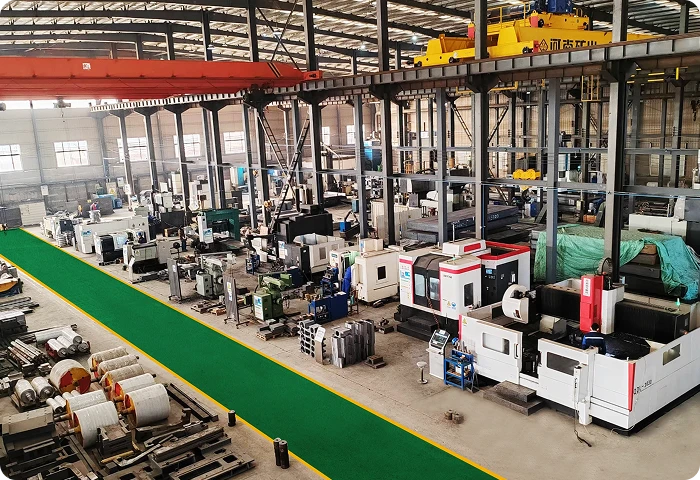
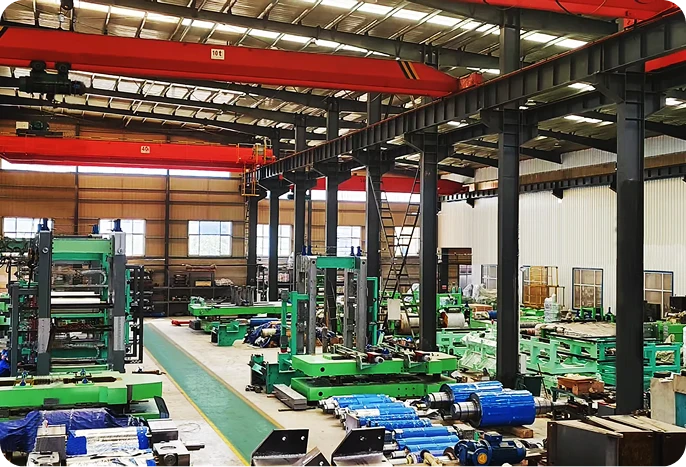
Yang Wang Li Xin operates a state-of-the-art facility over 66,000 square meters,and our manufacturing facility is fully equipped with high-tech machinery and high-capacity cranes. This enables us to handle large work pieces measuring 4.5m in width, 10m in length, and 1.5m in height, guaranteeing our capacity to produce 1800mm skin-pass mills and 1450mm rolling mills. The individual piece can weigh up to 100 tons.


Quality is fundamental to the enterprise survival. We have established a comprehensive and meticulous quality management system and have successfully obtained ISO14000 certification. Starting from the design source, it supervises the entire production cycle, including design, procurement, processing, assembly, in-factory testing, installation, and online commissioning. The workshop is equipped with measuring tools like vernier calipers, spectrometers, hardness testers, and ultrasonic flaw detectors. They are used to check materials and control tolerances to ensure the final equipment meets or exceeds requirements. All products have a unique code, This enables the easy identification and traceability of the equipment components and ensures full control of quality.


-
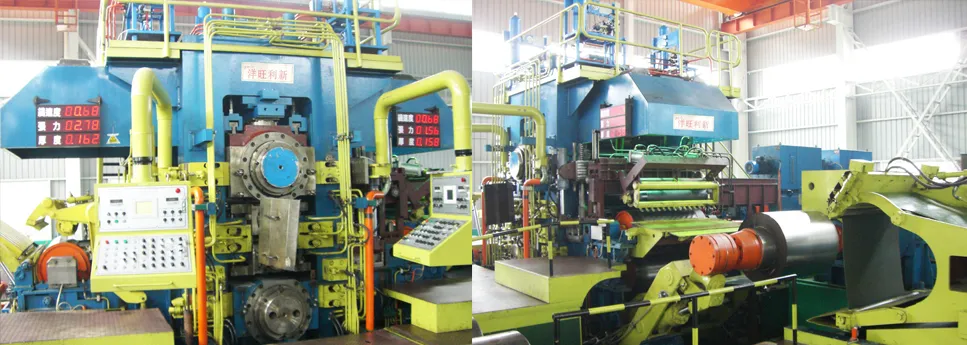
 Cladding Rolling Mill-YWLX|Cold Rolling Technology&Energy ConservationDiscover how YWLX 's Cladding Rolling Mill is revolutionizing metal bonding processes with advanced cold rolling technology. This article explores the product's technical features, advantages, application scenarios, and the company's expertise in manufacturing. Technical Features of the Cladding Rolling Mill The Cladding Rolling Mill from Beijing Yang Wang Li Xin Sci&Tech Co.,Ltd. (YWLX) leverages
 -
 Original Rolling Mill Manufacturer - Trusted & Expert SolutionsIn the ever-evolving landscape of manufacturing technology, identifying a trustworthy and competent original rolling mill manufacturer isn't merely a task; it is a strategic move critical to your production line's success. With decades of engineering excellence, the pioneers in rolling mill manufacturing blend innovation, expertise, and experience to deliver solutions that not only meet but antici
 -
 acciaierie ltdAcciaierie Ltd is a name synonymous with excellence in the steel manufacturing industry. Established with a vision to redefine the parameters of quality and innovation, Acciaierie Ltd has emerged as a beacon of expertise in the global steel market. Our array of high-quality steel products stands as a testament to our dedication to craftsmanship, ensuring each piece of steel meets the highest stand


